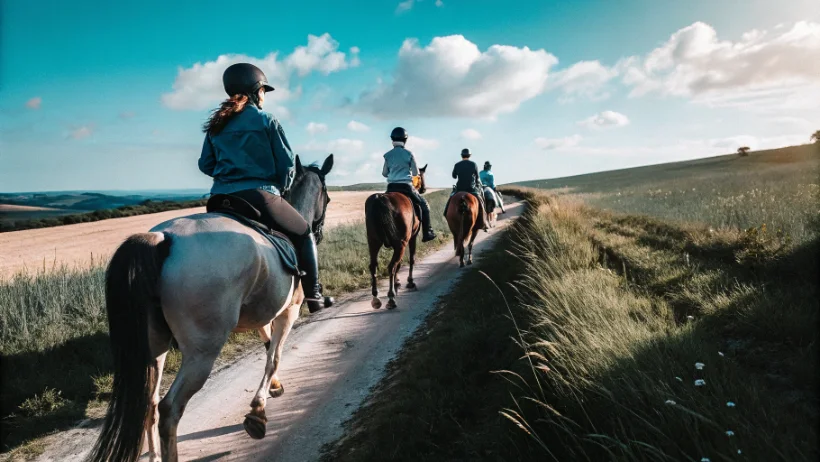
Stone Trail Countryside Riding Experiences
Traditional countryside riding follows historic routes that have connected communities for centuries, many now preserved as designated bridleways. These stone trail experiences, named for the characteristic surfaces of packhorse routes and ancient ways, offer modern riders connection to heritage landscapes. The appeal lies in authentic rural immersion, following paths worn by generations of travelers, traders, and agricultural workers. Contemporary trail riding centers specialize in sharing these routes through guided experiences that balance historical appreciation with practical horsemanship and landscape enjoyment.
Character of Historic Trail Routes
Traditional bridleways possess distinctive features that differentiate them from modern recreational paths. Many follow valley contours or ridge lines determined by practical transport needs rather than leisure design. Stone surfaces, where they survive, provide excellent footing while connecting riders to historical function.
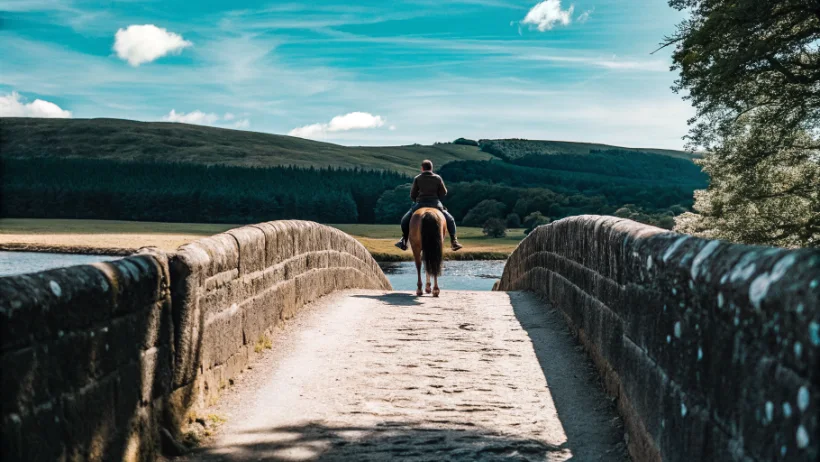
- Packhorse bridges with low parapets accommodate laden animals crossing rivers and streams
- Hollow ways worn deep into hillsides reveal centuries of continuous use by hooved traffic
- Marker stones and boundary features provide navigation aids used for generations
- Traditional gates and stiles reflect regional building styles and local stone characteristics
Comparing Modern and Traditional Routes
Different path types offer varying experiences for countryside riders:
| Route Type | Surface | Character |
|---|---|---|
| Historic Packhorse | Stone flags, worn earth | Narrow, authentic heritage |
| Agricultural Track | Grass, compacted earth | Working landscape integration |
| Recreational Trail | Maintained surface | Purpose-built for leisure |
| Common Land Route | Natural grassland | Open, traditional grazing areas |
"Riding historic trails creates tangible connection to regional heritage, transforming countryside exploration from mere scenic appreciation into dialogue with landscape history and human adaptation to terrain."
Planning Stone Trail Adventures
Successful trail riding requires matching rider capability to route demands while ensuring proper equipment and guidance. Most historic routes involve varied terrain with gradients, uneven surfaces, and exposure to weather conditions. Experienced guides familiar with specific trails provide essential knowledge about safe passage, appropriate pace, and points of interest. Quality establishments maintain detailed route maps, conduct rider assessments, and match horses to terrain demands. The preparation ensures authentic experiences remain enjoyable rather than overwhelming, building positive associations that encourage continued exploration of Britain's remarkable network of historic countryside paths.